Latest News and Feature Stories
Posted on April 22nd, 2013 in Forecasting, Harmful Algal Blooms, Monitoring & Event Response, Prevention, Control & Mitigation, Sensor Development
NOAA’s National Centers for Coastal Ocean Science and partners will conduct the first field test of an underwater robot using an NCCOS-developed toxin sensor that will enable remote, automated measurements of paralytic shellfish toxins (PSTs) produced by the dinoflagellate Alexandrium that causes toxic red tides in the Gulf of Maine (GOM). The robot, called the [...]
Continue reading
Posted on April 19th, 2013 in Accomplishments, Outreach, People and Infrastructure
After a few years of planning, sweat, tears, scores of meetings, loads of paperwork, and 3 different acting deputy directors, the National Centers for Coastal Ocean Science soft-released its new, audience-focused website in October of 2012 and we continue to roll out more enhancements and features. The goal of the revised site is to consolidate [...]
Continue reading
Posted on April 13th, 2013 in Harmful Algal Blooms, Outreach
The only regular national harmful algal bloom forum and critical exchange for scientific and technical communication on all aspects of HAB research will be held in Sarasota, FL, from October 27-31, 2013. In addition to researchers, the symposium also includes key managers of harmful algae issues at the state and federal level which identifies opportunities to transition [...]
Continue reading
Posted on April 8th, 2013 in Harmful Algal Blooms, Marine Biotoxin Impacts, Monitoring & Event Response, Prevention, Control & Mitigation
Seabirds in the Gulf of Mexico are subject to multiple hazards, such as pollutants and natural toxins, including algae-produced brevetoxin. NCCOS scientists who have pioneered the measurement of brevetoxin in live animals from blood collection cards brought this method into operation with wildlife managers in Florida to support health assessment and rehabilitation. These cards were [...]
Continue reading
Posted on April 4th, 2013 in Ecosystem Management, Harmful Algal Blooms, Marine Biotoxin Impacts, Monitoring & Event Response, Protected Species, Sponsored Research
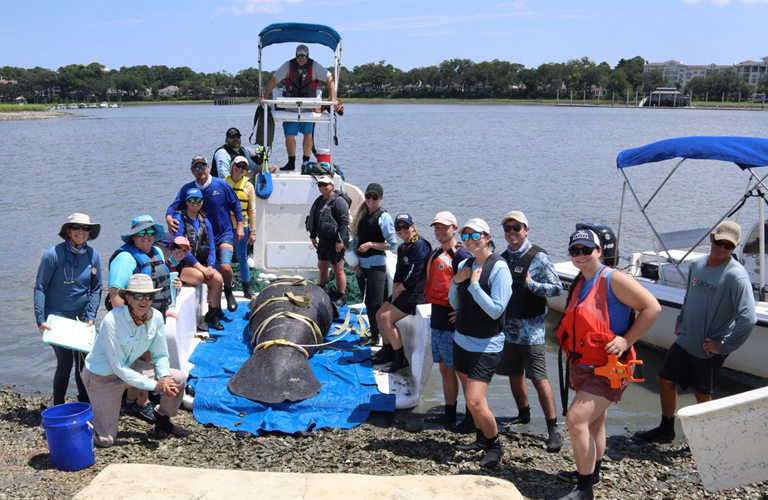
In order to develop better methods of treatment, a researcher from the Mote Marine Lab received harmful algal bloom Event Response Program funds to investigate the physiological effects of brevetoxin exposure on manatees. A persistent red tide bloom of algae that produces this substance is responsible for a record number of manatee deaths this spring. Mote is working with [...]
Continue reading
Posted on March 29th, 2013 in Ecological Forecasts & Tools, Ecology & Oceanography, Ecosystem Management, Forecasting, Harmful Algal Blooms, Sponsored Research
In March, the Puget Sound Alexandrium Harmful Algal Bloom (PS-AHAB) Project (funded by The National Centers for Coastal Ocean Science‘s Ecology and Oceanography of Harmful Algal Blooms (ECOHAB) Program) issued the 2013 preliminary Alexandrium cyst map. This is part of PS-AHAB’s “just-in-time” information dissemination program to Puget Sound stakeholders to increase early warning capabilities for HAB events. Highest cyst [...]
Continue reading
Posted on March 28th, 2013 in Ecology & Oceanography, Harmful Algal Blooms, Sensor Development
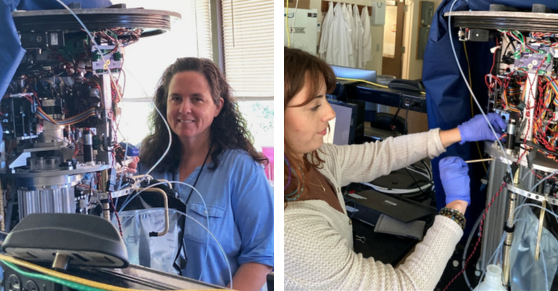
Two autonomous robotic Environmental Sample Processors capable of detecting the diatom Pseudo-nitzschia and its potent neurotoxin domoic acid were deployed off Huntington Beach, California in March as part of a novel ocean observing network. These underwater laboratories transmit data to shore from a toxin sensor designed by a researcher from NOAA’s National Centers for Coastal [...]
Continue reading
Posted on March 28th, 2013 in Coastal Pollution, Ecological Forecasts & Tools, Ecosystem Management, Hypoxia & Eutrophication, Sponsored Research
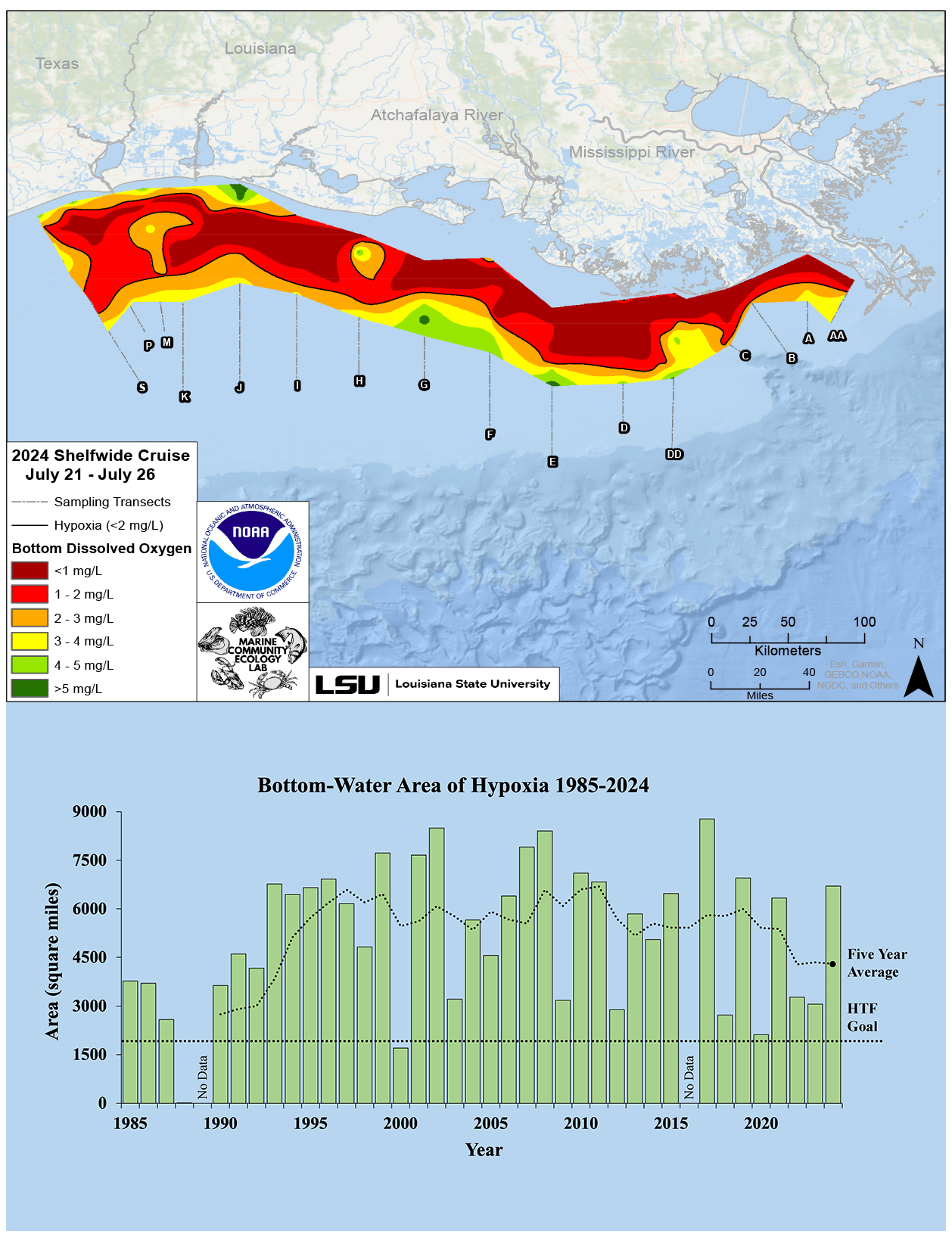
To develop an earlier prediction of the size of the Gulf of Mexico “dead zone” this summer, NOAA’s National Weather Service and National Ocean Service combined data from the National Hydrologic Assessment U.S. Spring Flood Risk Outlook with knowledge of soil saturation and typical weather patterns throughout the Mississippi watershed this year. Based on estimates of flood risk, snow pack, [...]
Continue reading