
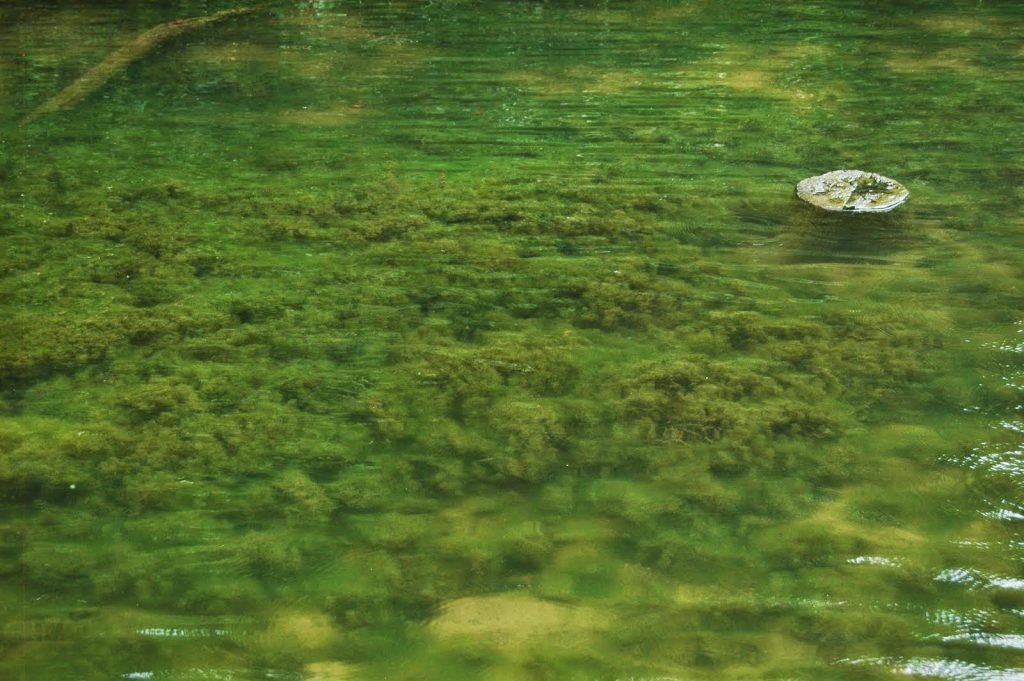
In August, roughly 50 experts from a range of scientific disciplines gathered at the U.S. EPA National Risk Management Research Laboratory in Cincinnati, Ohio, to assess the state of knowledge on benthic cyanobacteria (bottom-dwelling, blue-green algae). The most important question that the group addressed was whether benthic algae actually constitute a threat to public health, which remains unknown. Overall, workshop attendees thought that benthic algae knowledge and technology are limited and considerably less advanced compared to water column algae.
Participants agreed that there is a need for research regarding benthic sampling, monitoring, toxin analysis protocols and methodology, and toxin fate and effects. Most water-column sampling techniques are not readily adaptable to the benthos, requiring new thinking on how to sample algae mats, for example. Attendees agreed that new technologies such as SPATT and BenthoTorch are useful tools to monitor benthic algae and toxins.
NCCOS has a mission interest in what, if any, benthic-growing, toxin-producing cyanobacteria (e.g., Lyngbya, Anabaena, and Phormidium) and their toxins (e.g., anatoxins, saxitoxins, and microcystins) contribute to harmful algal blooms and impact wildlife and humans.
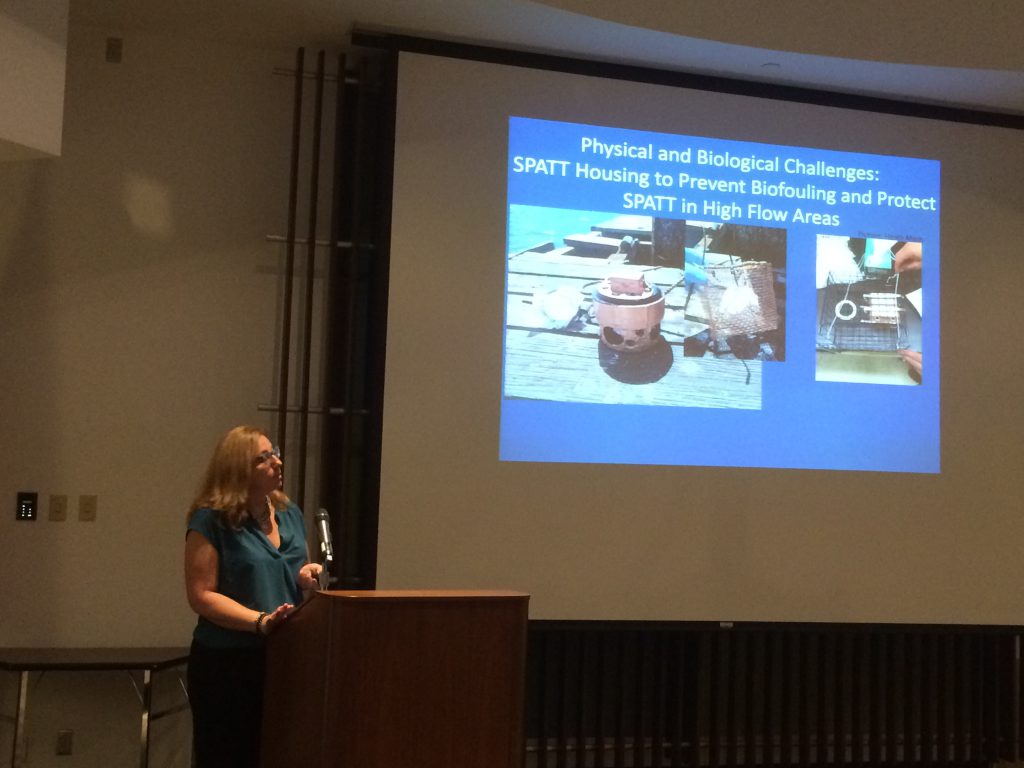
NCCOS and NOAA staff participated in the workshop, and two NCCOS-sponsored scientists gave presentations on their harmful algae research. The workshop was a joint effort between the U.S. Army Corps of Engineers, Bowling Green State University, the Cawthron Institute (New Zealand), and the U.S. Environmental Protection Agency; and an EPA-sponsored workshop report is planned. Lonza, Inc., and the Aquatic Ecosystems Restoration Federation provided logistical support for the event.