
After a 2013 workshop at the University of Washington’s Friday Harbor Laboratories, NCCOS-sponsored researchers published a study in Harmful Algae addressing the current knowledge of climate change and how it could impact environmental conditions that favor harmful algal bloom (HAB) formation.
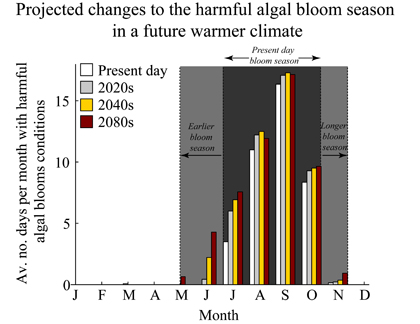
The workshop gathered a diverse group of HAB researchers who summarized the state of knowledge and information gaps of the potential linkages between climate change and harmful algal blooms, identified research needs with the greatest promise for knowledge advancement and impact, and determined ways that regional and national ocean observing programs could help understand these potential linkages.
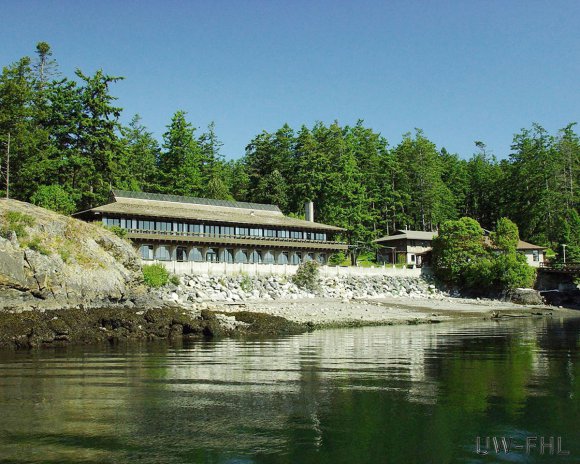
The researchers concludedthat current research strategies do not adequately address the basic linkages between temperature change, stratification, light, ocean acidification, precipitation-induced nutrient inputs, and grazing. The lack of uniform experimental protocols limited interdisciplinary and comparative investigations. The group recommendeda HAB’best practices’ manual to address those issues.