
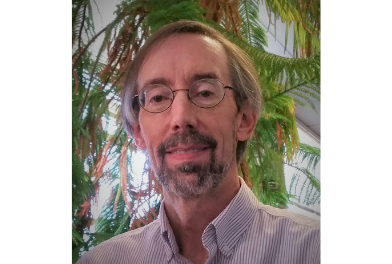
Stumpf leads NOAA’s efforts to translate forecasts of harmful algal blooms from research to operations. He also tries to make satellites useful for coastal environmental problems, such as figuring out how deep the water is and finding pond scum.
Stumpf has forty years of experience in coastal oceanography, with particular interest in harmful algal blooms. He has developed methods to use satellite data and modeling to understand coastal eutrophication, habitat and wetlands change, shallow bathymetry, and algal bloom monitoring and forecasting. He received a B.A. degree in the Environmental Sciences from the University of Virginia, and M.S. and Ph.D. degrees in Marine Studies from the University of Delaware. He has worked on all the US coastal and Great Lakes states except Connecticut, Georgia, Oregon, and Minnesota.