
The U.S. Government is closed. This site will not be updated; however NOAA websites and social media channels necessary to protect lives and property will be maintained. To learn more, visit www.commerce.gov. For the latest forecast and critical weather information, visit www.weather.gov

The U.S. government is closed. This site will not be updated; however, NOAA websites and social media channels necessary to protect lives and property will be maintained. To learn more, visit commerce.gov

For the latest forecasts and critical weather information, visit weather.gov.

New project evaluates the tradeoffs between gray and green infrastructure approaches for flood risk

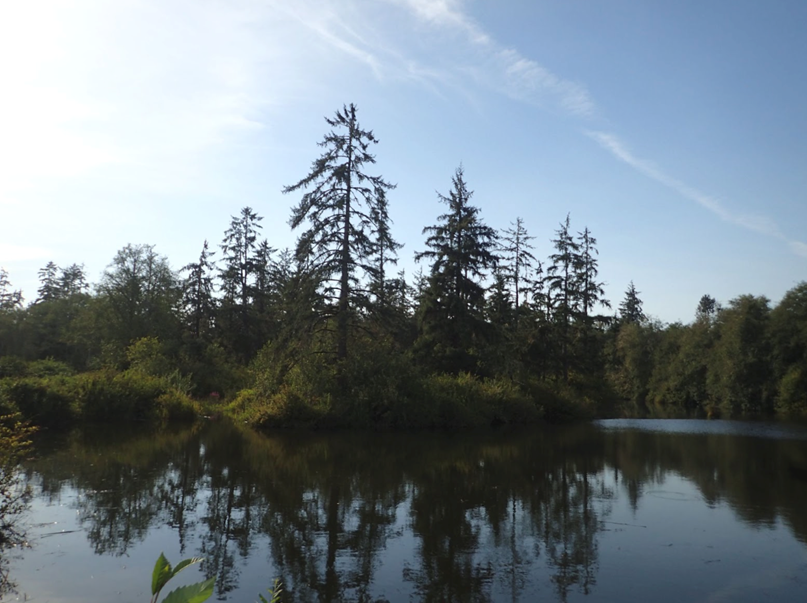
A tidal swamp on the Grays River, Washington. Tidal swamps and marshes can provide flood reduction and other ecosystem services.
A tidal swamp on the Grays River, Washington. Tidal swamps and marshes can provide flood reduction and other ecosystem services. Credit: Oregon State University.

A new 2-year project is underway to evaluate the tradeoffs between gray and green infrastructure approaches for flood risk reduction by applying a cost-benefit analysis framework to two estuaries in the Pacific Northwest that represent a range of fluvial to coastal flood risks. Results will provide communities with actionable information to help them acquire support for coastal resilience projects. This project is is funded through the NCCOS Effects of Sea Level Rise Program. https://coastalscience.noaa.gov/project/a-cost-benefit-analysis-of-green-gray-infrastructure-for-sea-level-rise-adaptation-in-the-pacific-northwest-incorporating-externalities-and-ecosystem-co-benefits/ 

Partners include: Oregon State University, Louisiana State University, Pacific Northwest National Laboratory